
The Allure of Gambling: Anticipation and Reward
The psychological dynamics of gambling in casinos are deeply rooted in the concepts of anticipation and reward. When individuals engage in gambling, they often experience a rush of excitement and adrenaline as they place their bets. This reaction stems from the brain’s reward system, which is triggered by the potential for winning. The prospect of hitting a jackpot or fulfilling a dream can create an intoxicating sense of hope that encourages players to continue gambling, often leading to a cycle of repeated play even when losses are incurred. While exploring the world of gambling, some enthusiasts may also be interested in crypto casino sites that offer unique experiences.
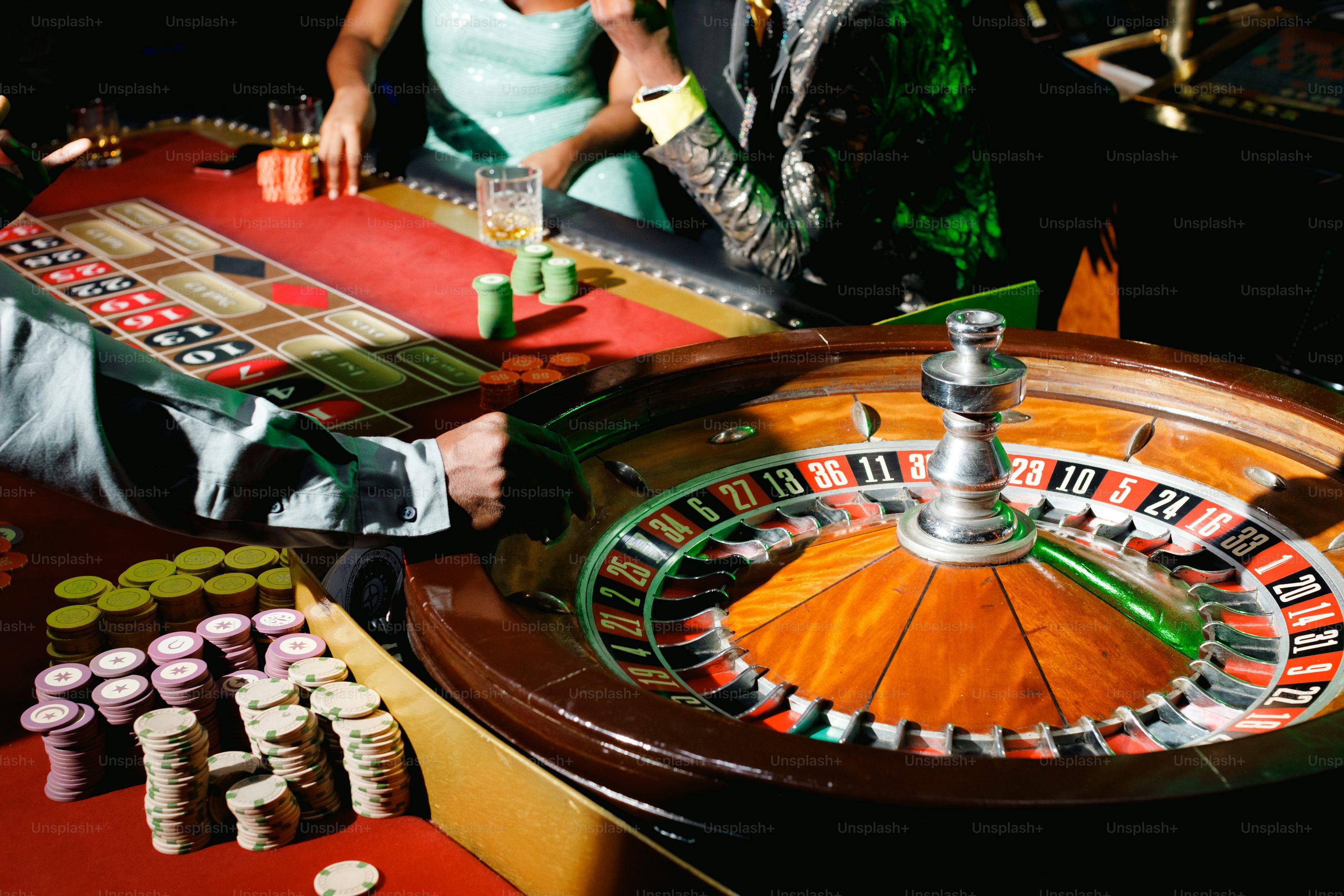
Moreover, this anticipation can be addictive. The brain releases dopamine, a neurotransmitter associated with pleasure and reinforcement, whenever a person wins or even believes they might win. This chemical release reinforces the behavior, making it difficult for individuals to walk away from the gambling experience, despite the financial and emotional risks involved.
The Psychological Impact of Loss
The psychological impacts of loss in gambling can be profound and debilitating. Many gamblers face significant emotional distress when they experience losses, which can lead to a cycle of chasing losses—continuing to gamble in an effort to recoup what has been lost. This behavior often exacerbates anxiety and depression, as the financial strain and emotional turmoil compound over time. Recognizing that they can fall into these traps is critical for gamblers.
Additionally, cognitive dissonance plays a role in how gamblers perceive their losses. Many individuals convince themselves that their luck will turn around, often ignoring the reality of their situation. This denial can lead to dangerous gambling habits and an inability to recognize when it’s time to seek help or step back from gambling altogether.
Gambling and Social Interactions
Gambling in casinos is not just a solitary activity; it often involves social interactions that can influence psychological effects. Many people associate gambling with socialization, whether it be with friends or strangers at a poker table. This social aspect can enhance the enjoyment of the gambling experience, but it can also lead to peer pressure, encouraging excessive gambling behavior to fit in or maintain a social status among peers. This influences not only individuals but also their connections to each other’s gaming habits.
Conversely, social environments can also provide a sense of community for those struggling with gambling addiction. Support groups and discussions about shared experiences can help individuals confront their challenges and find healthier coping mechanisms. Thus, the social dynamic of casinos can be a double-edged sword, amplifying both the allure and the potential pitfalls of gambling.
The Role of Casino Design in Psychological Effects
The design of casinos plays a crucial role in shaping the psychological experience of gamblers. From bright lights to engaging sounds, every element is strategically crafted to keep players engaged. The layout of casinos often encourages wandering and exploration, with no clear pathways to exits, making it easy to lose track of time and money spent. This sensory overload can heighten emotions and contribute to impulsive decision-making.
Additionally, the use of near misses—situations where gamblers come very close to winning—can significantly influence behavior. These occurrences can create a false sense of hope and a drive to continue gambling, as players feel they are just one lucky break away from a win. Understanding these design elements is essential for recognizing how they manipulate psychological responses, often leading to increased gambling activity.

Enhancing Your Awareness of Gambling
Understanding the psychological effects of gambling is crucial for making informed decisions. Awareness of these effects can empower individuals to approach gambling more responsibly and recognize when it may be time to take a break or seek assistance. By gaining insights into the underlying psychological mechanisms, players can better manage their experiences within casinos and mitigate the risks associated with gambling.
For those interested in improving their English language skills while exploring topics like gambling, English for Students offers a wealth of resources. Our platform is designed to enhance learning through engaging materials and practical exercises, providing a supportive environment for all learners. Join us to expand your understanding and communication abilities!